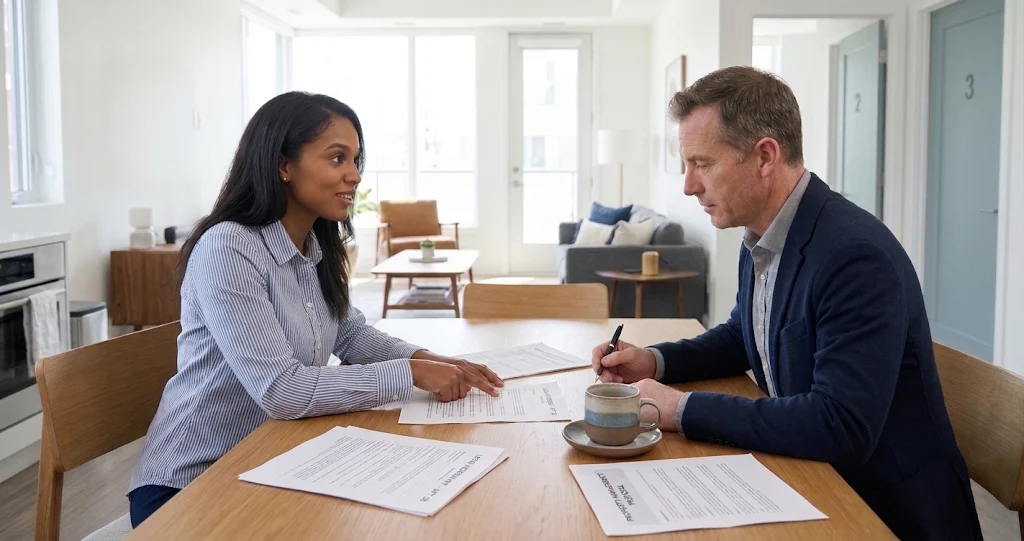
Owning a rental property can look like a great investment on paper. But once you start finding tenants, screening applications, collecting rent, and dealing with the day-to-day issues, you quickly realize there’s more to it than simply owning the property. That’s when the big question comes up, “Should you manage everything yourself or look for a property manager for your rental?”
It’s a decision many property owners face. The dilemma often comes down to whether you want to handle everything yourself to keep management costs down or hire a property manager. Managing a room-by-room coliving property that you don’t live in comes with a different set of responsibilities from renting out a spare bedroom in your own home. Whether you own one property or several, you’ll need to coordinate multiple residents, manage separate rental arrangements, and keep the household running smoothly. Understanding what this involves can help you decide whether to take it on yourself or get support
What Value Does a Property Manager Really Add?
When considering your first rental property, you might wonder what a property manager actually brings to the table. If they only collect rent, is that enough to justify the cost? And if you still carry the legal responsibilities as a landlord, why not have tenants send rent directly to you?
These are fair questions, especially when you’re trying to keep management costs down. But a property manager should offer more than rent collection. For a room-by-room coliving property, that means finding suitable residents, screening applicants, and coordinating the day-to-day needs of people sharing a home. Hiring a coliving property manager won’t remove every risk or responsibility. However, the right support can take much of the daily coordination off your plate and give you more time to focus on your investment.
What Managing a Coliving Property Yourself Involves
Managing one coliving property might sound straightforward. Say you have a house with three or four bedrooms, each rented to a different person. You might think you only need to find tenants, collect rent, and keep the property in good shape.
But each room comes with its own responsibilities. You need to create separate listings, review applications, screen each resident, and consider how well they might get along with the other housemates. Move-in and move-out dates may differ, leaving you with partial vacancies to manage. You may also need to handle late payments, maintenance requests, and disagreements between residents.
Managing a room-by-room rental can take more time and effort than you might expect, even with just one property. Before deciding whether to handle everything yourself, consider how much time you can realistically commit. Start by understanding what managing the property day-to-day actually involves.
Why Traditional Property Management May Not Work for Coliving
Traditional property managers usually work with one lease and one tenant relationship per property. But if you rent out rooms separately, your setup is very different. You manage several residents, separate rental agreements, shared spaces, and the relationships between housemates.
This difference matters when choosing a property manager for rental support. A manager who handles entire units may not have the right systems for room-by-room rentals. Some coliving investors have found that traditional property managers don’t always deliver the level of service they expect.
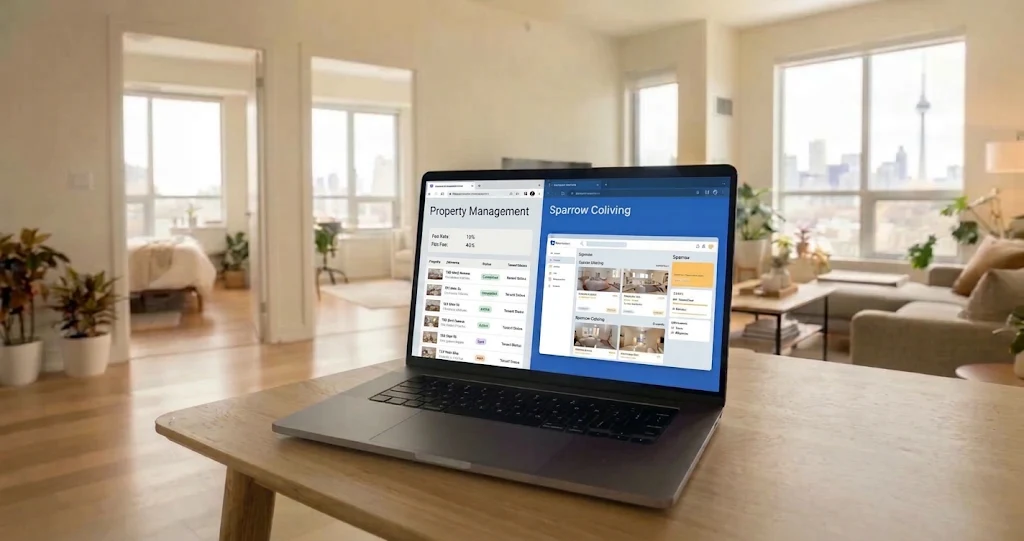
If you’re considering hiring a property manager, look for one who understands the unique needs of coliving. Sparrow, for example, specializes in coliving property management, helping property owners manage their units from marketing the rooms to preparing move-ins. Working with a team that understands this model can make a real difference in how your property runs.
What Changes When You Hire a Coliving Property Manager?
Hiring a property manager can take several responsibilities off your plate. They can create listings, verify and screen applicants, match residents based on lifestyle compatibility, collect rent, and coordinate day-to-day issues.
However, it doesn’t mean you step away from the property completely. You also remain responsible for your legal obligations as a landlord. So, if you’re considering a property manager for rental support, be clear about what you want to delegate. Good management should reduce your workload without leaving you out of important decisions.
A Simple Way to Decide
Still unsure whether to manage the property yourself or hire someone? Start by looking at the time and effort you can realistically commit. Consider how many residents you’ll manage, how comfortable you are handling late payments or housemate disputes, and whether you can respond to issues as they arise.
Not sure what the right approach looks like for your property? Book a call with Sparrow to explore how we can help you get started. We’ll walk you through our approach so you can see what support makes sense for your investment.
FAQs
It depends on how much time you have and how involved you want to be. If you can comfortably handle tenant screening, rent collection, maintenance, and resident concerns, self-management may work. But if these tasks take too much of your time, a property manager for rental support can help.
Not necessarily. You can manage one property yourself, but renting rooms separately comes with several responsibilities. Consider how much time you can commit before deciding.
A coliving property manager understands that each room has a separate resident and rental agreement. They handle individual applications, resident screening, compatibility matching, and shared-house coordination. Traditional managers often focus on entire units with one tenant.
Yes. You can create listings, screen applicants, collect rent, and handle maintenance yourself. However, you’ll need to manage each resident separately and address any issues that arise between housemates.
No. You may still need to arrange property viewings, make key decisions, and handle certain on-site matters. A property manager takes care of agreed responsibilities, but you remain the property owner and retain your legal obligations.


Leave a Comment