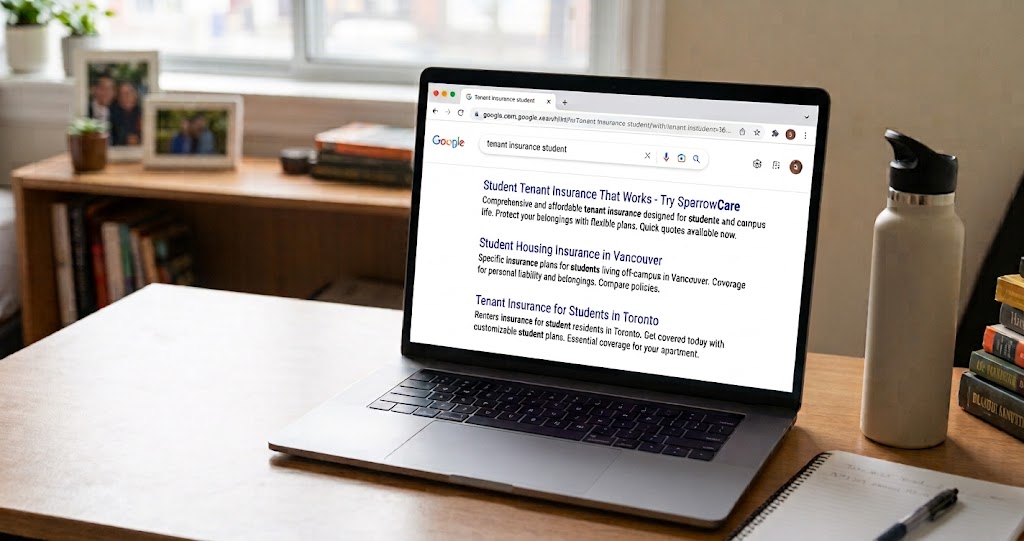
If you’re a student renting a room in Canada, you may be wondering whether renters insurance for students is something you actually need. It’s easy to assume that the person who owns the home has insurance that covers you too. However, that’s not how it works.
A host’s or landlord’s insurance is there to protect the property they own. It doesn’t automatically cover your laptop, clothes, or other belongings, and it may not protect you if you cause damage or someone gets injured in your space.
Renters insurance, sometimes called tenant insurance, exists specifically to close that gap. The important question isn’t whether the home you’re renting has insurance. It’s whether you have coverage, and that’s something every student should understand before moving in. This guide for renter’s insurance for students in Canada will help you understand more about tenant insurance.
What does renters insurance for students in Canada actually cover?
If you’re a student renting a room, you might be wondering what you’re actually paying to protect. Renters insurance typically covers two main things: your belongings and your liability.
Your belongings can include things you use every day, such as your laptop, phone, clothes, furniture, and other personal items. Depending on your policy, your coverage may include losses from theft, fire, or certain types of water damage.
The other part is liability. The other part is liability. Liability coverage can also protect you if you accidentally damage the home or someone gets injured in your space. For example, if you cause water damage or someone gets hurt because of something you did, your policy may help cover the resulting costs.
The important thing to remember is that renting a room doesn’t automatically give you this coverage. Check what your policy covers, what limits apply, and whether it includes your personal belongings.
Why a host’s insurance doesn’t cover you
A host’s home insurance is mainly there to protect the property itself and the host’s interests as the homeowner. If you accidentally damage the home or injure someone through something you’re responsible for, the host’s insurance may not cover the costs you face.
Think of it this way, the host’s insurance protects their home, and your insurance protects you. They’re two different types of coverage, and having one doesn’t automatically give you the other. Before moving into a rental, find out exactly what coverage you have and whether it protects your belongings and liability.
What this looks like with SparrowCare
If you’re renting through Sparrow, you don’t have to figure out your coverage on your own. Every housemate who signs an agreement through Sparrow is automatically enrolled in coverage through SparrowCare.
That coverage includes up to $100,000 for property damage. You don’t need to apply separately or set up another policy because Sparrow includes this coverage as part of your agreement.
It’s important to understand what that coverage does and doesn’t include. It’s important to understand what that coverage does and doesn’t include. SparrowCare protects against certain property damage and bodily injury claims, but it doesn’t cover your personal belongings. For your personal belongings, you’ll still need to look into separate coverage.
The benefit is that if something happens to the home or someone gets injured because of an incident you’re responsible for, this coverage can help with the costs. Having coverage in place from the start gives you one less thing to worry about as you settle into your new home.
What to ask before you assume you’re coveredœ
Before you move into a rental, take a few minutes to find out exactly what you’re covered for. Whether you’re renting through Sparrow or another housing provider, don’t assume insurance is automatically included or that the host’s policy covers you.
A few simple questions can help:
- Is coverage included in my agreement? Check whether your rental agreement includes any insurance or other coverage.
- Do I need separate coverage for my belongings? If your personal belongings aren’t covered, you may want to look into a separate policy.
Knowing what’s covered before you move in can give you more peace of mind and help you avoid surprises later.
Looking for a room with coverage included?
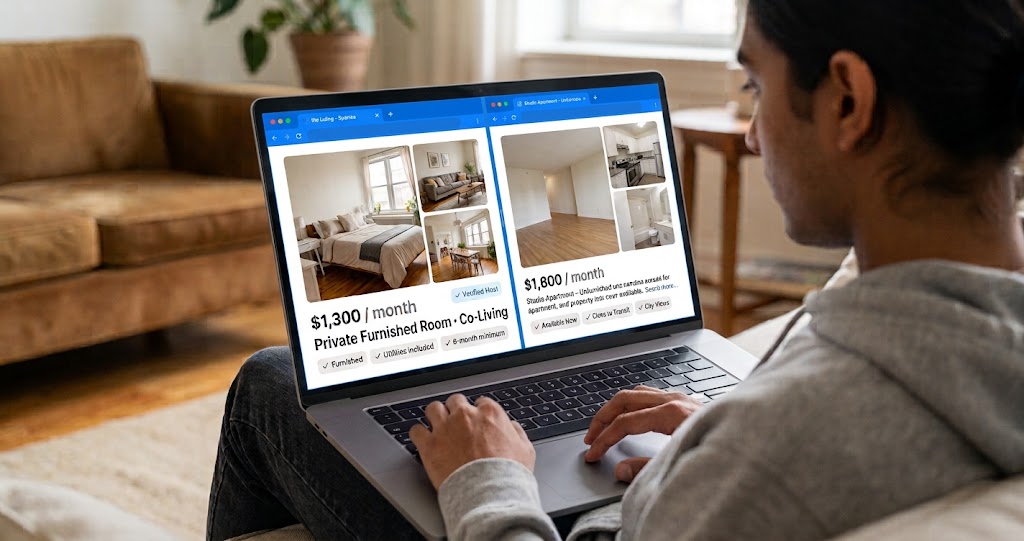
If you’re looking for a room where coverage is already included in your agreement, explore available rooms on Sparrow and find a home that fits your needs.
Browse available rooms on Sparrow
FAQ
It depends on your living arrangement and what coverage you already have. A landlord’s or host’s insurance generally protects the property they own, not your personal belongings or your liability as a renter. Some students may also have coverage through a parent’s insurance policy, so it’s worth checking what you’re already covered for before getting a separate policy.
Generally, no. A landlord’s insurance is designed to protect the building and the landlord’s interests. Your personal belongings are typically your responsibility, which is why you may want separate tenant insurance if you want them covered.
SparrowCare automatically provides coverage for housemates who enter into an agreement through Sparrow. The coverage includes up to $100,000 for property damage. This coverage does not include your personal belongings, so you’ll still need to look into separate coverage for those.
It depends on the rental agreement and the housing arrangement. Some landlords or housing providers may require tenants to have their own tenant insurance, while others may not. Check whether insurance is required and what type of coverage you need before signing your agreement,
The cost varies depending on factors such as where you live, the type of coverage you choose, your belongings, and the level of liability coverage. If you’re comparing policies, look at both the price and what the policy actually covers rather than choosing based on cost alone.


Leave a Comment