Most Canadian hosts renting out a spare room can earn around $600 to $1,200 per month, depending on the city, room type, and local demand. But how do you decide how to price your room for rent? This is one of the most common questions we hear from hosts signing up with Sparrow. They want to avoid setting the price too low and missing out on income, but they also don’t want to charge too much and struggle to find the right housemate.
The good news is that learning how to price a room for rent doesn’t have to be complicated. You don’t need to be an experienced landlord or rely on a formula based on your home’s value. You just need to understand what similar rooms in your area are going for, what makes your room different, and how to use that information to choose a fair, competitive price. Let’s look at how you can get started.
Start with comparable rooms, not comparable houses
If you’re trying to figure out how to price a room for rent, you may come across advice that suggests using a percentage of your home’s value. But that approach is designed for landlords renting out an entire property. You’re renting out one room in a home you still live in, so the price should reflect what that room is worth to a potential housemate.
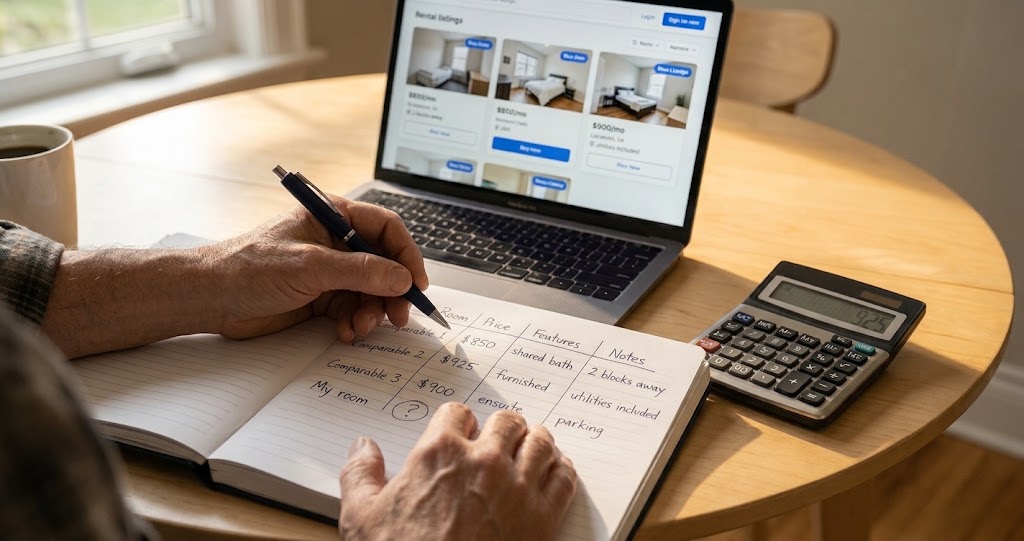
A better starting point is to find four or five active room listings in your area. Look for rooms with a similar size, location, and setup to yours. For example, compare a furnished room with a shared bathroom to other rooms with similar features, or an ensuite to other ensuites. Local listing sites and rental classifieds can help you find current asking prices.
Write down those prices before making any adjustments. This gives you a realistic range to work with. Instead of relying on a formula based on your home’s value, you’ll have a clearer idea of what housemates might pay for a room like yours. From there, you can adjust your price based on the features that make your room stand out.
What affects your room rental price?
Once you have a price range from comparable rooms, a few key differences can help you decide where your room fits.
- A private bathroom can justify a higher rent than a shared one. It’s one of the first things people compare when looking at rooms.
- Whether utilities are included matters too. A slightly higher price that includes heat, water, and Wi-Fi may appeal more than a lower price with extra costs added later. It also makes it easier for renters to compare your listing with others.
- Your household atmosphere matters more than you might think. If your home is quiet and has little foot traffic, it may appeal to someone who values privacy. A busier, more social household may suit a different type of housemate. Neither is better than the other. They simply appeal to different preferences, which can affect how much rent you can charge.
- Building and neighbourhood amenities can also influence your price. Features such as parking, a gym, or easy access to transit may make your room more attractive.
These details are easy to miss if you rely on a formula based on your home’s value. But when you compare similar rooms, you can see what makes yours more or less competitive and set a price that reflects its value. Just remember that your room’s price isn’t something you set once and forget.
Price isn’t a one-time decision
Once you decide how to price a room for rent, treat that number as a starting point, not a permanent setting. If your room sits on the market for a few weeks with little interest, take another look at the price. It’s often the first thing worth adjusting.
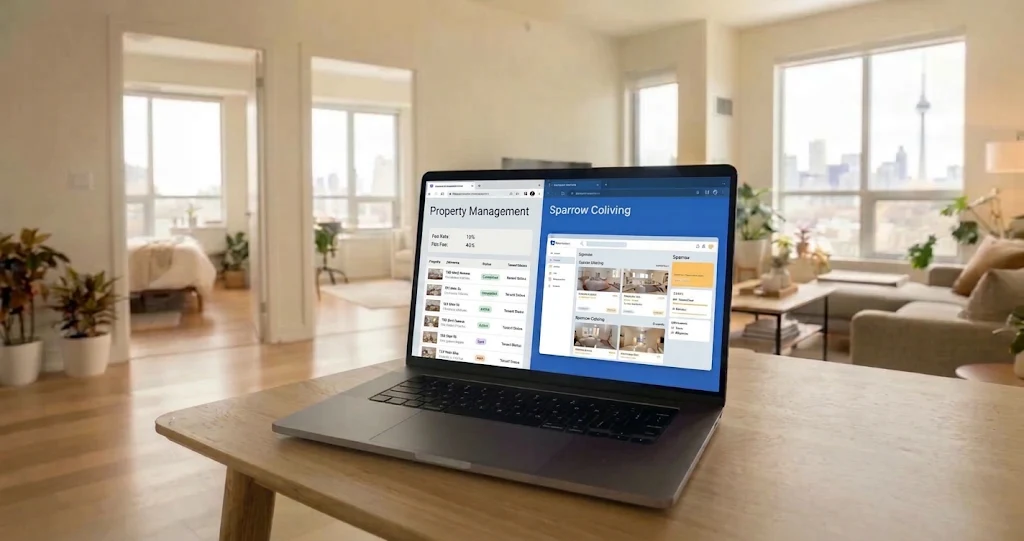
Most hosts set a price and move on. That’s understandable, especially when you have other things to manage. But checking comparable rooms every few weeks takes time. Sparrow’s dynamic pricing engine is built for exactly that. It considers your room’s location, size, and amenities to recommend a price. So, when you want a second opinion, you don’t have to start from scratch. The goal isn’t just to pick a number and hope it works. It’s to start with a realistic price, understand what affects it, and keep it competitive as the market changes.
Ready to find the right number?
You don’t have to guess how much rent to charge for your spare room. Sparrow’s dynamic pricing engine considers your room’s location, size, and amenities to recommend a price, giving you a practical starting point without having to work it out from scratch.
See what your spare room could earn as a long-term rental
FAQs
Start with four or five active listings for similar rooms in your area. Compare their size, location, and setup. From there, adjust for your room’s specific differences like a private bathroom, included utilities, and your household atmosphere.
A private bathroom, included utilities, and amenities like parking or a gym can make your room more attractive. Your household atmosphere also matters. Think about whether your home suits someone who prefers a quiet space or a more social environment.
Not necessarily. Your mortgage reflects the cost of your entire home, not the value of one room. Instead, compare your room with similar listings nearby to find a more realistic starting price.
That’s up to you. Including utilities can make your room easier to compare with other listings. If you charge them separately, clearly explain which costs your housemate will need to cover.
If your room gets little interest after a few weeks, review the price first. Sparrow’s dynamic pricing engine considers your room’s location, size, and amenities to recommend a price. You can use it whenever you need a second opinion, without starting from scratch.


Leave a Comment