
What is homeshare?
If you have a spare bedroom and have considered renting it out, you may have come across the term homeshare in Canada. But what does homesharing actually mean, and how is it different from simply becoming a landlord? In simple terms, a homeshare is an arrangement where you rent out a private room in the home you continue to live in. You might share spaces such as the kitchen, living room, or bathroom while giving your housemate their own private bedroom.
Homesharing can be a practical way to make better use of extra space in your home while bringing another person into your household. Because you continue to live in the property, the arrangement can be different from renting out an entire apartment or house.
You may also hear terms such as homestay and homeshare used interchangeably, particularly when talking about housing for international students and newcomers. While the arrangements can be similar, they aren’t always the same. Later in this guide, we’ll explain the differences and what they can mean for you as a homeowner.
Homeshare vs. being a landlord: what actually changes
One of the first questions many homeowners have is, “Is this basically the same as being a landlord?” Not quite. While both involve renting out space in your home, there are some important differences:
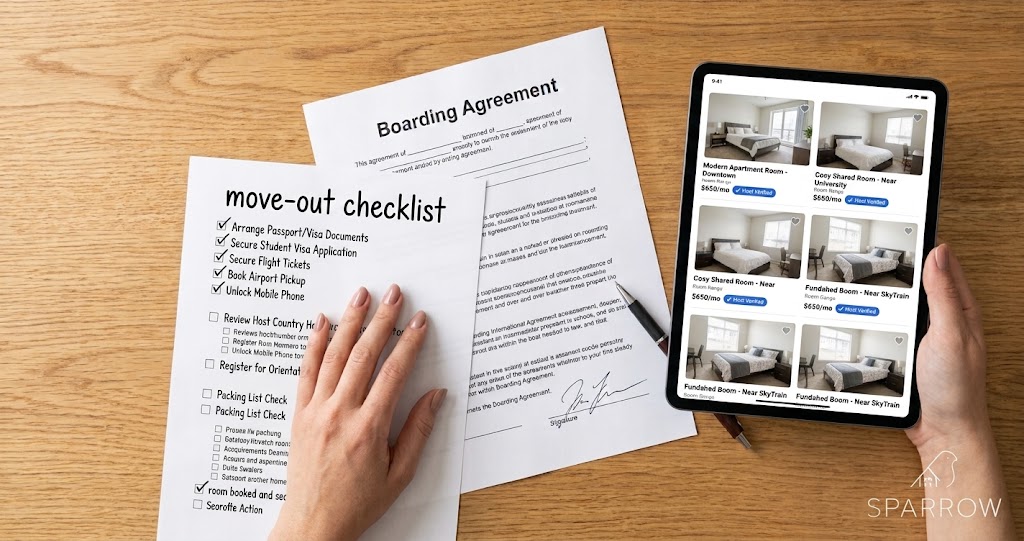
- The legal instrument. A homeshare arrangement typically uses a boarding agreement, which is a contract between the homeowner and housemate, rather than a residential tenancy agreement governed by provincial tenancy laws.
- Occupancy. You continue to live in the home and share spaces with your housemate, which is different from a typical landlord-tenant arrangement.
- The relationship. Homesharing is about two people sharing a home, rather than simply a property owner and tenant entering into a rental transaction.
Questions about the legal side of homesharing come up often, especially from first-time hosts. Most have never heard of a boarding agreement, but once it’s explained, they often realize it’s exactly the type of arrangement they were looking for.
If you’d like to understand the legal side in more detail, see our guides on the boarding agreement in Ontario.
Who is homesharing for?
Homesharing can be a good fit when your home or lifestyle has changed. Maybe your children have moved out and you have a spare bedroom, or you’d like some extra income without managing a separate rental property.
For many homeowners, the benefits go beyond finances. Sharing your home can bring companionship and peace of mind, especially if you’re living alone. Some families, for example, turn to homesharing to help an older parent find a compatible housemate while allowing them to stay comfortable and independent at home.
Of course, homesharing isn’t for everyone. If you value complete privacy or don’t feel comfortable sharing spaces like the kitchen or living room, a separate rental unit may be a better fit.
Homesharing works best when you’re comfortable welcoming someone into your home while still having your own privacy, space, and routine.
How homesharing actually works, step by step
Once you decide to share your home, the process can be fairly straightforward:
01 – Choose the room and shared spaces
Decide which bedroom is available and which areas, such as the kitchen, bathroom, laundry, and living room, you’ll share.
02 – Create your listing.
Describe the room, rent, and the type of housemate who would be a good fit for your home and lifestyle.
03 – Screen potential housemates.
Verify their identity and review relevant background, employment, or enrollment information before moving forward.
04 – Find the right match.
Look beyond availability and consider things like schedules, noise levels, guests, and day-to-day habits.
05 – Sign a boarding agreement.
Clearly outline the rent, notice period, house rules, and other important details before move-in.
06 – Set up rent payments.
Agree on a payment method and due date so everyone knows what to expect each month.
07 – Get support when needed.
Most issues can be resolved with clear communication, but having support available can make things easier when a disagreement or unexpected issue comes up.
Many homeowners tell us they’re looking for renters who are “trustworthy” and “vetted.” Sparrow’s screening and matching process is designed to help with exactly that.
Why the legal distinction matters more than people realize
Homesharing is different from a standard rental because you still live in the home and share everyday spaces with your housemate. That changes the relationship and can affect the rules that apply to the arrangement.
This is often where homeowners’ concerns about becoming a landlord come from. Understanding the difference from the beginning can make the arrangement feel much clearer and easier to manage.
It is important to set up the arrangement properly from the start, with clear expectations around rent, shared spaces, house rules, and what happens if the arrangement comes to an end.
What homeowners are most concerned about
Opening your home to someone new can bring a few understandable concerns. Will they be trustworthy? Will we get along? What will my family think? And what happens if it doesn’t work out?
A well-managed homeshare can help address these concerns through careful screening, thoughtful matching, clear expectations, and support when you need it.
- Safety and trust: How do I know they’re trustworthy?
Inviting someone into your home is a big decision. Identity verification, background checks, and a careful screening process can give you more information before you decide who to welcome into your home.
- Compatibility: What if we don’t get along?
A good match is about more than filling a spare room. Things like daily routines, schedules, noise preferences, and lifestyle can all affect how comfortable you feel living together. Discussing these things upfront can help you find someone who fits naturally into your household.
- Family concerns: What will my family think?
It’s normal for family members, especially adult children, to have questions about sharing your home. A clear agreement, thoughtful screening, and support throughout the process can help everyone feel more comfortable with the decision.
- Maintaining control: What if it doesn’t work out?
Homesharing works best when expectations are clear from the beginning. Having an agreed-upon arrangement and support available when needed can give you greater confidence about what happens if circumstances change.
The goal isn’t simply to fill your spare room. It’s to create a living arrangement where you feel comfortable, respected, and in
control of your home.
Thinking about homesharing?
See how Sparrow can help you find the right housemate and make sharing your home easier.
FAQ
Homeshare runs on a boarding agreement between two people sharing a home. A landlord-tenant relationship, by contrast, runs on a residential tenancy agreement governed by provincial statute. The owner in a homeshare arrangement lives in the home and shares space with the renter. A landlord in a standard rental typically does not.
Yes. Homesharing is legal in Canada, but the rules can vary by province. It’s important to understand the requirements where you live.
Not always. The terms are sometimes used interchangeably, but “homestay” often refers specifically to arrangements for international students. Homeshare is a broader term for sharing your home with a housemate.
No. Airbnb is built for short-term guest turnover measured in nights. Homeshare is a long-term, compatibility-matched living arrangement governed by its own agreement type, built for people settling in for months, not just a few days.
It isn’t strictly required, but professional drafting or review is worth the cost to reduce ambiguity. At Sparrow, we provide our hosts with professionally drafted agreements for their homeshare.
Yes, you can look for someone who fits your household and lifestyle. You can consider factors such as schedule, routines, and shared-space preferences, but you cannot discriminate based on protected grounds under human rights laws.


Leave a Comment