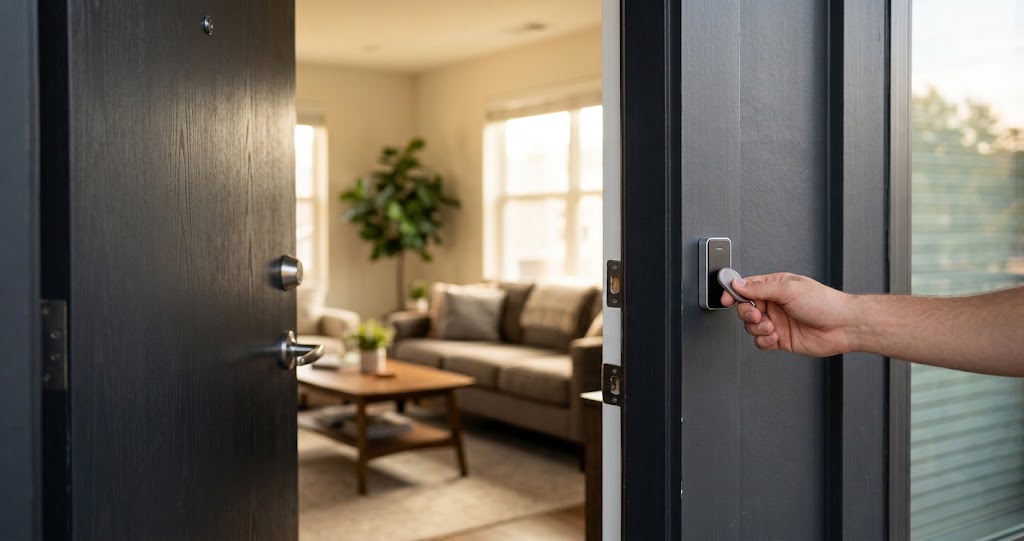
Moving into a shared home can be an exciting way to save on rent and settle into a new city. But sharing your living space with people you’ve never met can also bring some uncertainty. Most people always have one question, Is co-living safe when you’re sharing a home with people you’ve never met? We always want to feel safe and comfortable where we live, and also know that our privacy will be respected. But how can you know what to expect before you move in?
Safety and privacy are two different concerns, and both deserve a closer look. You might be wondering who gets to live in the home, whether someone can enter your bedroom without permission, or what happens if something goes wrong. Understanding how screening, housemate matching, privacy rules, and rental agreements work can help you make a more informed decision before committing to a shared home.
What Actually Happens Before Anyone Moves In
When you’re sharing a home with people you haven’t met before, knowing who’s been screened matters. One of the first things to look at when asking if co-living is safe is what happens before anyone gets the keys.
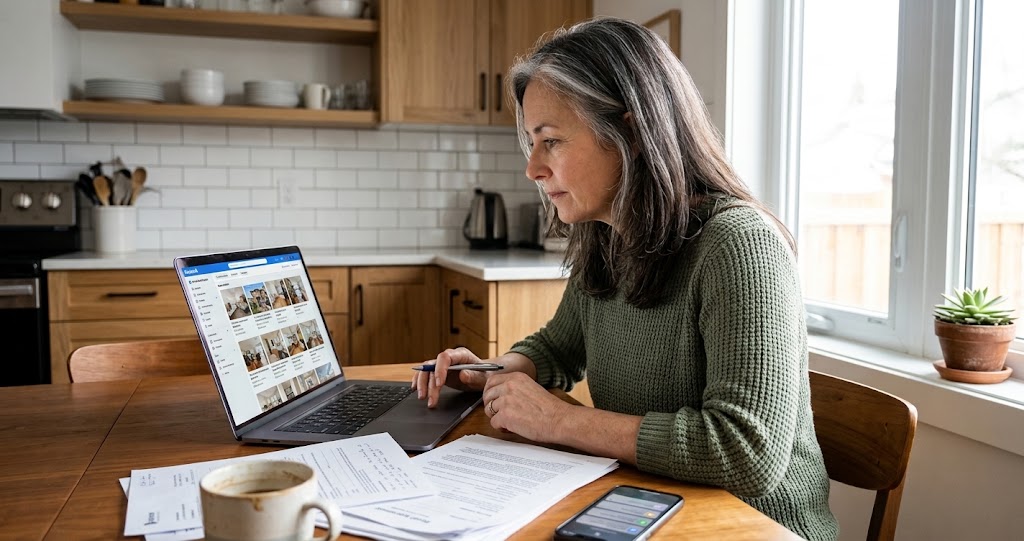
With Sparrow, every housemate goes through identity verification before moving in. This gives you more information about the people you’ll be sharing your home with before you commit to the arrangement. Compare that with finding a room through an informal Facebook Marketplace, where screening may be left entirely to you. You might have a few text exchanges with a potential housemate without knowing much about their background.
Of course, co-living identity checks can’t guarantee that every housemate will be a perfect fit. But having a screening process in place gives you a stronger starting point than relying on a stranger’s word alone.
Compatibility Matching: The Safety Angle Most People Miss
When considering whether co-living is safe, it’s worth thinking beyond background checks. Your day-to-day comfort also depends on who you share a home with and how well your lifestyles fit together.
Different sleep schedules, cleaning habits, noise levels, or expectations around guests can quickly create tension. Sparrow considers lifestyle preferences, including cleanliness, routines, and guests, when matching housemates.
Of course, no matching process can guarantee you’ll get along with everyone. But understanding each other’s habits and expectations beforehand can help reduce avoidable conflicts and make sharing a home more comfortable.
Your Room Is Actually Yours: What Privacy Looks Like in Practice
Feeling safe at home also means knowing you have a private space to retreat to. If you’re wondering whether co-living is safe, it’s worth understanding who can enter your room and under what circumstances.
Under Sparrow’s agreement, entry generally requires 24 hours’ written notice, between 8 a.m. and 8 p.m., with a specific reason, such as a repair, inspection, or showing the room to a future resident. Limited exceptions may apply in emergencies, such as a fire, gas leak, or flood.
What about guests? Occasional overnight visits may be allowed, but longer stays should be discussed with Sparrow and your housemates. Knowing these expectations before moving in can help you feel more comfortable and avoid misunderstandings about privacy.
What Sparrow Actually Collects, and What’s Optional
Feeling safe in a shared home also means knowing how your personal information is handled. If you’re considering whether co-living is safe, data privacy is another detail worth checking before you sign an agreement.
Sparrow may collect personal information to manage your arrangement and provide its services. Rent reporting through SparrowCare is consent-based, so you can understand your options before deciding whether to participate.
Before sharing sensitive information, take time to review Sparrow’s privacy policy so you understand what information is collected, how it’s used, and what choices you have.
If Something Actually Goes Wrong
Even when you’ve done your research, unexpected issues can come up. If you’re wondering whether co-living is safe, it’s worth knowing what support is available when something doesn’t go as planned.
Sparrow includes liability coverage through SparrowCare with each agreement, covering certain property damage and bodily injury claims up to the policy limits. It doesn’t cover your personal belongings, so you may want to consider tenant insurance to protect your belongings.
Your agreement also outlines the rules for resolving concerns, giving notice, and handling serious breaches. If an issue arises, contact Sparrow in writing as early as possible so there’s a clear record and the team can help you understand the next steps.
A Few Practical Habits That Actually Help
Even when the right safeguards are in place, your everyday habits can make a difference. A few simple steps can help you protect your privacy, avoid misunderstandings, and feel more comfortable in your shared home.
- Talk about expectations early. Discuss cleaning, noise, guests, and shared spaces before small differences become bigger problems.
- Secure your belongings. Keep valuables in a safe place and lock your bedroom when you’re away, if a lock is available.
- Raise concerns promptly. If something feels wrong, contact Sparrow in writing so there’s a clear record, and the team can help address the issue.
Ready to Find a Shared Home You Can Feel Comfortable In?
Knowing what to look for can make choosing a shared home feel less overwhelming. From identity verification and housemate compatibility to clear privacy rules, the details matter when deciding where to live. Sparrow helps you find a room with a verified host, a structured homeshare agreement, and support throughout your stay.
Explore available rooms and find your next home with Sparrow.
FAQ
Co-living can be a safe option when proper screening, clear house rules, and privacy protections are in place. Sparrow verifies identities, considers lifestyle compatibility, and provides a written agreement. However, no process can guarantee every experience will be trouble-free.
Screening varies by provider. Before choosing a room, ask what identity verification checks are conducted and what those checks cover.
You typically have your own private bedroom and share common areas. Check your agreement for bedroom access rules, notice requirements, and guest policies before moving in.
Entry rules depend on your agreement and applicable law. Review the conditions for notice and emergency entry so you know what to expect.
Check the provider’s privacy policy to understand what information is collected, how it’s used, and whether services such as rent reporting require your consent.
Raise the concern with your provider as soon as possible and, where practical, in writing. Keep a record of what happened and ask what steps can be taken to resolve it.


Leave a Comment