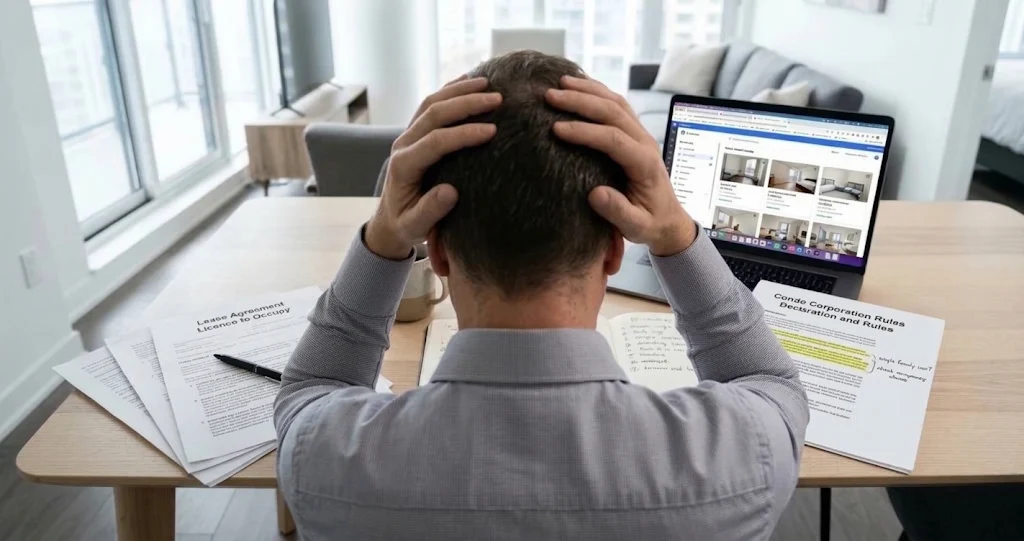
Converting a rental property to coliving can look like a straightforward way to earn more from the same property. Instead of renting the entire unit to one tenant, you rent out individual rooms to multiple residents, potentially increasing your monthly rental income. On paper, the numbers can look promising. But turning a traditional rental into a successful coliving property involves more than adding a few beds and finding tenants.
There are several things to consider when converting a property to coliving, from tenant screening and legal responsibilities to property management and building rules. Overlooking any of these can lead to costly problems down the line. Working with a property manager experienced in coliving can help you navigate these challenges, but it’s still important to understand what goes into a successful conversion, especially if you’re planning to manage the property yourself. If you’re considering a coliving conversion, here are ten common mistakes to look out for and what you can do to avoid them before getting started.
1. Overlooking Your Building’s Rules Before Converting
Your condo’s contract rules could stop a coliving conversion before it gets started. Some buildings restrict units to single-family occupancy. Depending on the wording, this may prevent you from renting individual rooms to unrelated residents.
We cover this in more detail in our blog, Can You Rent Out a Room in Your Condo in Toronto?. The first step is to review your building’s rules and speak with your condo property manager. Do this before furnishing rooms or investing in the conversion. Overlooking these restrictions can be costly. A quick check upfront can save you time, money, and unnecessary frustration.
2. Underestimating the Work of Managing Multiple Tenancies
Managing multiple properties or several tenancies within one property can take far more effort than many investors expect. The workload doesn’t simply increase with each tenant. You’re dealing with different payment dates, lease renewals, maintenance requests, and disputes, often at the same time. Managing multiple tenants in one property requires a different level of organisation than managing a single tenancy.
If you’re converting a rental property to coliving, plan for this added workload from the start. This is where an experienced property manager can help. They can coordinate rent collection, resident communication, maintenance, and other day-to-day responsibilities. Some coliving providers, like Sparrow, also offer housing coordinator support to help residents resolve everyday issues that may arise during their stay. This gives you more support in managing the property without having to handle every resident concern yourself.
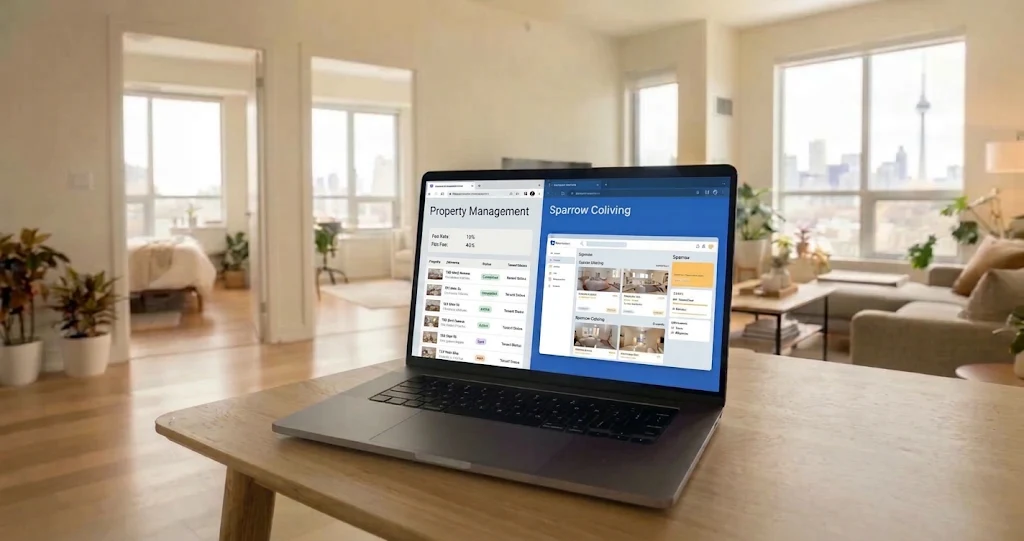
3. Not Understanding What a Property Management Fee Actually Covers
Before signing a property management agreement, make sure you understand exactly what the management fee includes. Does it cover tenant coordination, maintenance, and rent collection? Are there separate charges for tenant insurance or other services? A management fee and a tenant insurance charge usually cover different services and risks. Understanding the difference helps you avoid confusion and unexpected costs later.
Ask the property manager to break down every fee and explain what each one covers in writing. If you’re considering hiring a coliving property manager. It’s better to clarify everything before you sign than to question unexpected charges later.
4. Ignoring Compatibility With Residents Already Living There
When converting a rental property to coliving, don’t focus only on finding a new tenant that only pays on time. You also need to consider the people already living there. A new resident might look good on paper but still have a lifestyle that clashes with the existing household. This highlights why tenant compatibility matters. Each resident has their own routines, preferences, and expectations. Adding someone new without considering these can affect the comfort of everyone in the property.
Look beyond individual tenant screening and consider how residents will live together. At Sparrow, we use a compatibility score to recommend residents with similar lifestyles and living preferences. This helps create better household matches and gives residents a smoother shared-living experience.
5. Trusting a Good First Impression Over Proper Tenant Screening
This is where many landlords get caught out. When choosing tenants for your coliving property, a good first impression isn’t enough. An applicant may seem reliable, communicate well, and make a strong impression during a viewing. But that doesn’t always tell you how they’ll handle rent payments or shared living responsibilities months later.
Carry out proper tenant screening before signing any agreements. This should include background checks, rental history, and verification of previous rent payment records where available. Most professional property managers include these checks as part of their screening process. At Sparrow, we screen prospective residents before signing agreements and continue to monitor tenant payment records during their stay. These checks won’t eliminate every risk, but they give you a clearer picture of who you’re bringing into your property.
6. Relying on One Crowded Listing Channel
Relying on one listing platform can limit your chances of finding suitable tenants. Popular rental forums and listing sites are often crowded with similar properties, making it harder for your listing to stand out. You may receive plenty of enquiries, but not necessarily from people who are a good fit.
The more platforms you use, the more potential tenants get to see your listing. This increases your chances of reaching the right person and getting your rooms filled quickly. More visibility doesn’t guarantee a good tenant, but it gives your property a better chance of attracting suitable applicants.
A good property management platform can help you reach a wider pool of potential residents. Spread your listings across relevant channels and work with a property manager that already has access to screened applicants. These can be valuable steps towards finding suitable tenants and filling your rooms faster.
7. Not Having Reliable Local Support for Your Property
Managing a property from a distance can be challenging, especially when you can’t easily visit or attend to issues yourself. This is something to consider if you own rental properties in different cities or provinces. Viewings, maintenance coordination, and tenant disputes can become difficult to manage when you don’t have someone nearby to step in.
Without local support, even small issues can take longer to resolve. A maintenance request may need someone to inspect the property, while a tenant concern may require an in-person conversation. Trying to coordinate everything alone can slow things down and affect the resident experience.
If you’re managing a coliving property from another location, make sure you have reliable local support in place. A property manager with people on the ground can coordinate viewings, oversee maintenance, respond to resident concerns, and handle issues that need in-person attention. Having that support from the start makes remote property management much easier.
8. Not Being Clear on Who’s Legally Responsible When Something Goes Wrong
When converting a rental property to coliving, make sure you understand who carries the legal responsibility if a dispute or other issue arises. Don’t assume the property manager takes on every responsibility. The lease or occupancy agreement may remain in your name, even when a management company handles the day-to-day operations.
This is worth clarifying before you sign any agreement or welcome your first residents. The legal structure behind coliving helps determine each party’s responsibilities. Make sure you understand what you’re responsible for as the property owner and what the management company handles.
We’ve covered this in more detail in Co-Living Agreement in Canada: What to Know Before Signing. We explain how the agreement structure works and who is responsible for what. It is always better to know where you stand before a problem arises.
Ready to Convert Your Property to Coliving?
You don’t have to figure everything out through trial and error. A few checks, the right questions, and a clear plan can help you avoid costly mistakes.
Coliving can be a worthwhile investment when you plan it properly. If you’re considering converting your unit, book a call with Sparrow to get started and find out what your property could earn.
FAQs
It can be. Renting individual rooms often generates more monthly income than leasing the entire property to one tenant. However, your actual returns depend on room rates, occupancy, operating costs, and property management fees.
Yes. Some condo declarations restrict units to single-family occupancy, which may affect whether you can rent rooms to unrelated residents. Check your building’s rules and speak with your condo property manager before investing in a coliving conversion.
Managing several residents requires a clear system for rent collection, maintenance requests, communication, and dispute resolution. You can handle these tasks yourself or work with a coliving property manager who can coordinate day-to-day operations.
Not necessarily, but each room should meet residents’ basic needs and offer a comfortable living space. Consider furnishing requirements, shared amenities, storage, and common areas when planning your conversion.
Use relevant rental platforms and multiple listing channels to reach more potential residents. You should also have a proper tenant screening process that checks applicants’ backgrounds, rental history, and suitability for shared living.
Your potential income depends on the property’s location, number of rentable rooms, room sizes, demand, and local rental rates. Comparing room-by-room pricing with the income from a single lease can help you estimate what your property could earn.

Leave a Comment