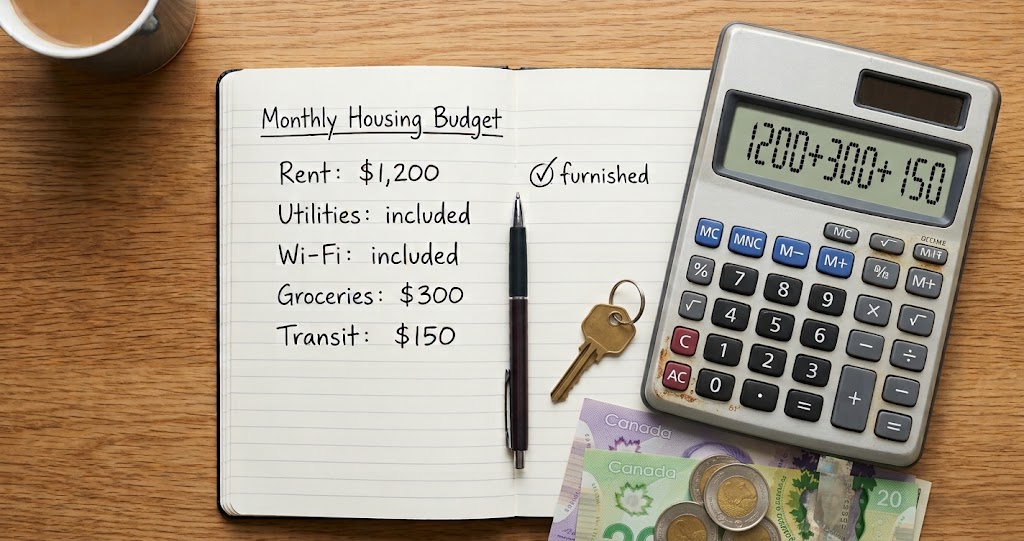
If you’re considering co-living in Canada, one of your first questions is probably how much you’ll need to budget each month. You may have seen rooms advertised from $1,000 to $1,600, but what does that price actually get you? And why can two rooms in the same city cost quite different amounts? Understanding co-living costs in Canada means looking beyond the monthly rent. Factors such as room type, neighbourhood, amenities, and what’s included in your agreement can all affect what you pay. A room that seems more expensive at first might offer better value once you account for furniture, utilities, and other shared costs.
In this guide, we’ll break down what co-living costs typically include, what’s included in the price, and how it compares with homesharing and renting an apartment on your own. You’ll have a clearer idea of what to expect and what to look for when comparing your options.
What’s Included in Co-Living Costs in Canada?
When comparing co-living costs in Canada, it’s worth looking beyond the monthly rent to see what you’re actually getting. A room that seems more expensive at first may offer better value if it includes essentials you’d otherwise have to pay for separately.
Most co-living rooms come furnished with basics such as a bed, desk, and storage, so you can settle in without buying everything from scratch. Utilities and Wi-Fi are typically included, making it easier to plan your monthly budget without worrying about separate bills.
In Sparrow’s co-living units, common areas also receive a deep clean every four to six months, or when a housemate moves out, whichever comes first. So before choosing a room, check what’s included in the advertised price. Comparing the full cost, rather than rent alone, gives you a clearer picture of what you’ll actually spend each month.
What Actually Affects Co-Living Costs in Canada?
Not every co-living room costs the same, even within the same city. When comparing co-living costs in Canada, a few key factors can explain why one room is priced higher than another.
- Room type: A room with a private bathroom will generally cost more than one with a shared bathroom. Consider whether the added privacy is worth the difference to you.
- Neighbourhood: Location plays a big role in what you pay. Sparrow’s Toronto co-living homes are in areas such as St. Lawrence, Downtown Toronto, Liberty Village, the Entertainment District, and Etobicoke’s Stonegate-Queensway neighbourhood. Living closer to work, school, or transit may be worth paying a little more.
- Amenities: Some buildings offer extras such as an on-site gym, while others don’t. Think about which amenities you’ll actually use before paying more for them.
Ultimately, the best value of the room depends on your priorities. Comparing these factors can help you understand the price and choose a space that fits both your lifestyle and budget.
Co-Living vs. Homesharing vs. Renting Solo: The Real Costs
When comparing co-living costs in Canada, the monthly rent only tells part of the story. Your total expenses depend on what’s included, how long you need to stay, and whether you’re sharing with a homeowner or renting an entire place.
| Feature | Co-living | Homesharing | Renting solo |
|---|---|---|---|
| Monthly cost | $1,000–$1,600 | $700–$1,000 | Varies by market |
| Minimum stay | 6 months | 4 months | Often 12 months |
| Furnished | Yes | Usually, varies by host | Usually unfurnished |
| Living arrangement | Matched housemates | Live with homeowner | Live alone or find roommates |
| Utilities | Included | Usually included | Often extra |
Homesharing is generally the lower-cost option because you live with a homeowner rather than in a dedicated co-living property. It also has a shorter minimum stay through Sparrow, making it useful if you need more flexibility.
Renting solo gives you more privacy, but you may need to budget separately for furniture, utilities, and other household costs.
The right option depends on your budget and how you want to live. Comparing the full cost, not just the advertised rent, will help you decide which arrangement makes the most sense for you. For a wider view of housing affordability across the country, you can also explore Canada’s housing statistics.
How to Read a Co-Living Price Listing
When comparing co-living costs in Canada, don’t assume the lowest advertised price is automatically the best deal. Before committing to a room, check what’s included and whether any extra costs could affect your monthly budget.
Here are a few things to confirm:
- Utilities and Wi-Fi: Are they included in the rent?
- Cleaning: Are shared spaces cleaned regularly, and how often?
- Minimum stay: How long are you required to stay?
- Renewal terms: Could your rent change when you renew, and how much notice will you receive?
If anything is unclear, ask before signing. Knowing the full cost upfront makes it easier to compare rooms fairly and avoid unexpected expenses after you’ve moved in.
Find a Co-Living Room That Fits Your Budget
Now that you know what affects co-living costs in Canada, you can compare your options with more confidence. The next step is finding a room that fits your budget, lifestyle, and preferred location.
Explore verified rooms with Sparrow and find a space that feels right for you
FAQ
Co-living in Toronto through Sparrow currently costs around $1,000–$1,600 per month. Your exact cost depends on the room type, neighbourhood, and amenities included.
Most co-living rooms come furnished, with utilities and Wi-Fi typically included. Check the specific listing to confirm what’s covered before you commit.
It can be. When comparing co-living costs in Canada with renting solo, remember to factor in furniture, utilities, and other expenses you may need to cover separately.
No. Prices vary by city and property. Sparrow’s current co-living prices are based on its Toronto rooms, while its Vancouver offering is homesharing.
Ask what’s included in the rent, the minimum stay, cleaning arrangements, and renewal terms. Knowing these details upfront helps you budget accurately and avoid surprises.



Leave a Comment