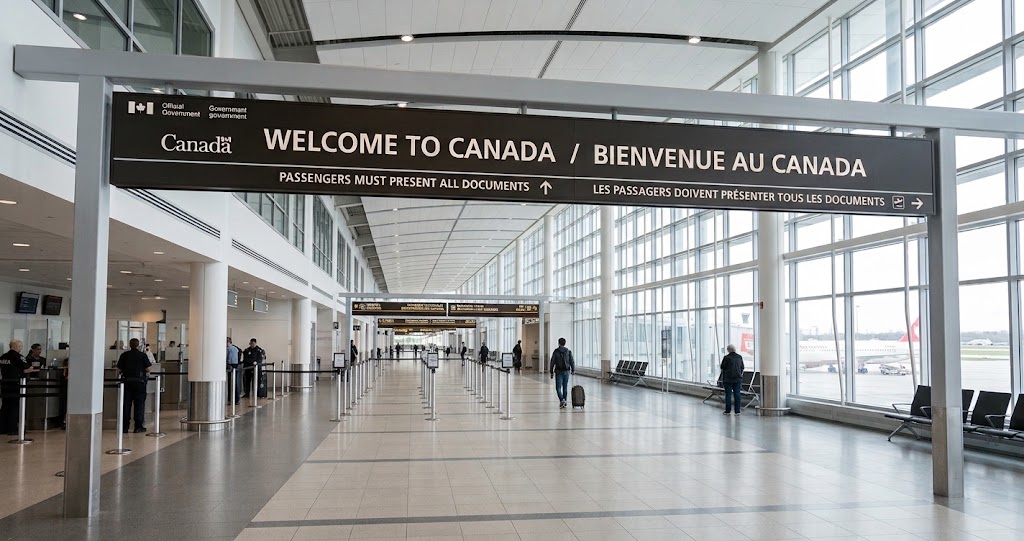
You’re moving to a country you’ve never lived in, and suddenly you have a lot to figure out. Between visa paperwork, flights, and a new city that you know nothing about, the housing search can feel like the hardest part. That’s partly because no one really tells you what to do first, what comes next, and what can wait. This housing guide for international students in Canada is here to help you make sense of the process, one step at a time.
This guide starts with the part most guides skip. We’ll walk you through what to have ready before you start searching, what you can expect to pay depending on where you’re headed, and how to tell whether a room is reasonably priced. Each section goes deeper into a specific part of the process if you need it. Start here, follow the steps, and use the deeper guides when you need more detail.
Get Your Documents Ready Before You Start Searching
Before you open a single listing, make sure you have your passport, your study permit or offer and acceptance letter. You may be asked for these documents when you’re applying for a room because they help hosts and platforms confirm who you are and that you’re preparing to study in Canada. If you’re still getting your school documents together, you can learn more about the study permit process on the Government of Canada website.
Having everything ready before you start searching also means you can move quickly when you find a room you actually like. You won’t have to pause your application while you’re still trying to track down paperwork.
And if you’re worried about not having a Canadian credit history yet, don’t be. That’s completely normal for newcomers. Not having one doesn’t mean you can’t rent a room. There are other documents and forms of proof you can provide, and there are also ways to start building your Canadian credit history once you arrive.
For a closer look at what you can use instead, see No Canadian Credit History? Here’s What Actually Works.
What you’ll actually pay depends on the city
Once your documents are ready, the next real question is cost, and it depends heavily on where you’re headed. This housing guide for international students in Canada covers four cities. If you’re moving to Toronto, you can expect to see rooms ranging from around $700 to $1,800 a month. Vancouver is a bit broad, with rooms generally ranging from $800 to $1,800. Sparrow’s homeshare rooms in Vancouver range from $800 to $1,200, often with utilities included. Surrey generally runs $700 to $1,000, sometimes up to $1,200 for a larger room. Brampton sits in a similar $700 to $1,000 range, with real listings landing around $725 for a furnished, all-inclusive room.
Across these four cities, location and transit access can have a big impact on what you’ll actually spend and how much time you’ll spend getting to class. A room that’s $100 cheaper but leaves you with a long daily commute may not be the better deal.
That’s why it’s worth looking beyond the monthly rent before choosing where to live. We’ve broken down each city separately, including neighbourhoods, typical room prices, and the transit trade-offs you should know about:
- What Rent Actually Costs a Student in Toronto
- What Rent Actually Costs a Student in Vancouver
- What Rent Actually Costs a Student in Surrey
- Renting a Room in Brampton
Pick the one that matches where you’re headed.
Paying for Housing Before You Arrive in Canada
Once you’ve found a room you like, you might be asked to pay a deposit before you arrive in Canada. If you’re searching from another country, that can feel a little uncomfortable, and it’s a fair thing to question. This is a normal part of securing a room, especially when you have a signed agreement, a verified host, and clear terms explaining what your payment covers and whether it’s refundable.
What should make you pause is everything around the payment. Be careful if you’re being pressured to send money quickly, asked to pay informally, or told to send a deposit before there’s any agreement in place.
If you’re unsure what you should pay before arriving, or what should make you pause, we’ve broken it all down in Should You Pay a Deposit Before You Land in Canada?.
Two weeks before you move in
You’ve found your room, signed the agreement, and now you’re getting close to the move. At this point, it’s less about searching and more about making sure everything is ready. Over the next two weeks, you’ll want to confirm your move-in date, go over your agreement one more time, have your important documents ready, and know what to check when you arrive.
The good news is that most homeshare and coliving rooms come furnished, so you won’t have to worry about buying and moving large pieces of furniture before you’ve even settled in
Think of this as the final checklist and a few simple things to sort out now can make your first few days in Canada much easier. For a step-by-step list of what to do in the two weeks before moving in, see Your September Move-In Checklist: What to do before moving in.
You don’t have to do this alone
Moving to Canada is already a big change. Finding a place to live can feel like another huge task on top of everything else, especially when you’re doing it from another country.
The good news is that you don’t have to figure everything out at once. This housing guide for international students in Canada is designed to help you take it one step at a time. When you’re ready to start your search, explore verified rooms with trusted hosts using Sparrow
FAQ
You’ll usually need your passport, study permit or school acceptance letter, and proof of funds. If you don’t have Canadian credit history yet, that’s acceptable at this stage. There are other ways to show that you can afford the rent.
Yes. You can arrange your housing before you land. Through verified platforms like Sparrow, you can find a room, connect with a verified host, complete the agreement, and arrange payment before you arrive.
This guide covers Toronto, Vancouver, Surrey, and Brampton where we are currently operating in. Each city has its own section covering typical room prices, neighbourhoods, and what can affect the cost.



Leave a Comment